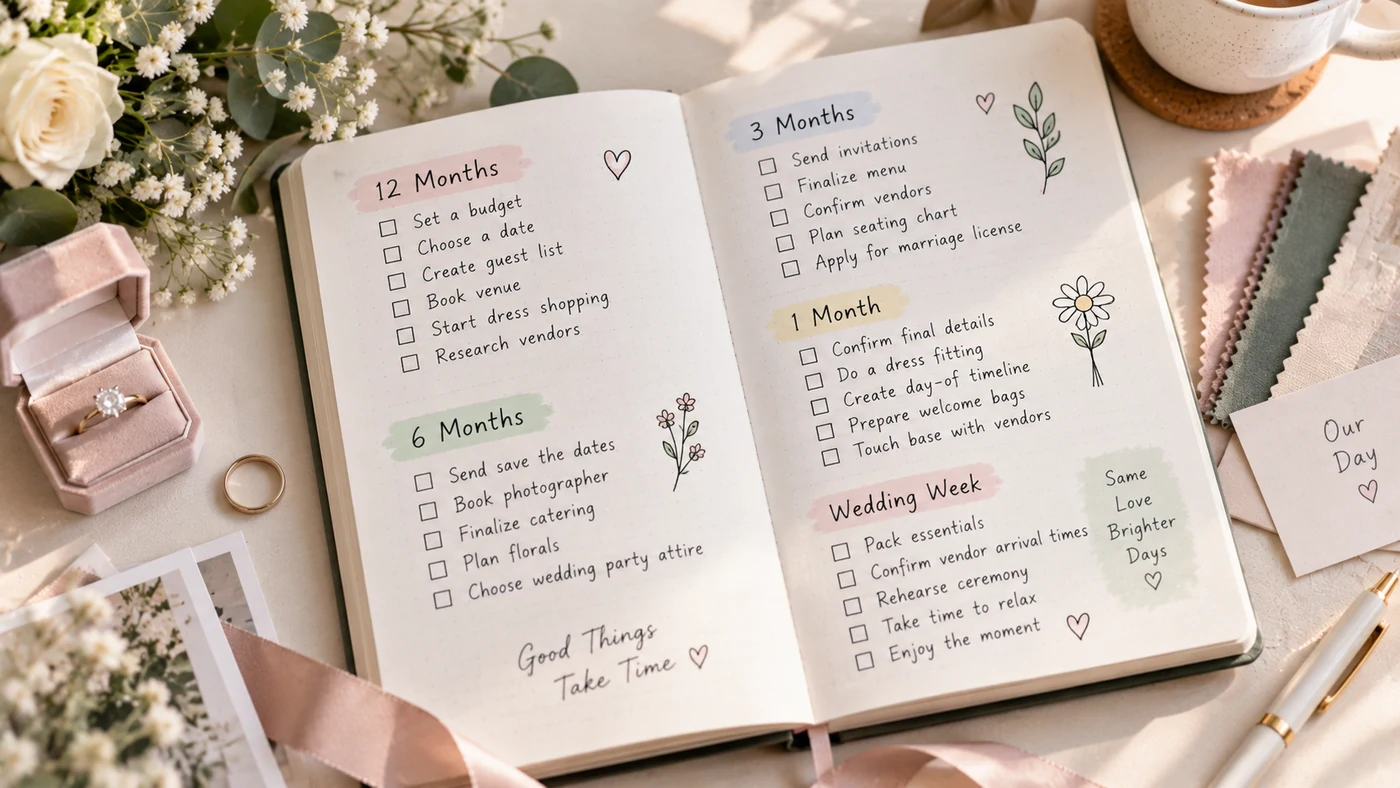
A wedding planning checklist works when it follows dependencies: settle the budget, guest count, date, and venue before choosing details that rely on them. Use this timeline as a starting point and move tasks earlier for a shorter engagement.
Month-by-month timelines consistently start by settling budget, guest count, date, and venue before later choices depend on them.[1]
Twelve to Nine Months Before
- Set a total budget and decide who approves spending.
- Draft the guest count, preferred date range, style, and priorities.
- Research and book the venue; then confirm the date.
- Start a record of vendor quotes, contracts, deposits, and deadlines.
Copyable foundation checklist
- Agree a spending ceiling and who pays for which category
- Estimate the guest count before choosing venue capacity
- Hold the date only after checking the important people and venue
- Decide your three non-negotiables and three places to save
- Record every deposit date and cancellation term
Nine to Six Months Before
- Book high-demand vendors such as catering, photography, music, and officiant services where needed.
- Choose the wedding party and start attire planning.
- Plan the ceremony and reception flow at a high level.
- Build the guest address list and decide how invitations will be sent.
Copyable supplier checklist
- Confirm the service, arrival time, fee, and final payment date
- Ask each supplier what access, power, space, or meals they need
- Save a primary contact and a backup contact
- Note every decision that affects another supplier
Six to Three Months Before
- Order or finalize attire, rings, stationery, and rentals with enough time for changes.
- Confirm menu, décor, transport, accommodation, and accessibility needs.
- Track gifts separately; these gift wish list ideas can help without turning the plan into a shopping project.
Three Months to Two Weeks Before
- Send invitations and track replies by the date you need
- Confirm the menu, seating approach, and accessibility needs
- Schedule final fittings, tastings, and any required paperwork
- Draft the ceremony order and reception timing
- Create a list of final balances, delivery windows, and pickup tasks
Final Month and Wedding Week
- Confirm every vendor’s arrival time, contact, payment, and setup needs.
- Create a short day-of schedule with buffers for travel and transitions.
- Assign one person to handle questions that should not reach the couple.
- Prepare documents, rings, attire, emergency items, and final payments.
Wedding-day handoff checklist
- Give the final schedule to the people who need it
- Put rings, documents, and payments with named people
- Assign a contact for supplier questions
- Build buffer time around travel, photos, and room changes
- Keep food, water, and a quiet reset space available for the couple
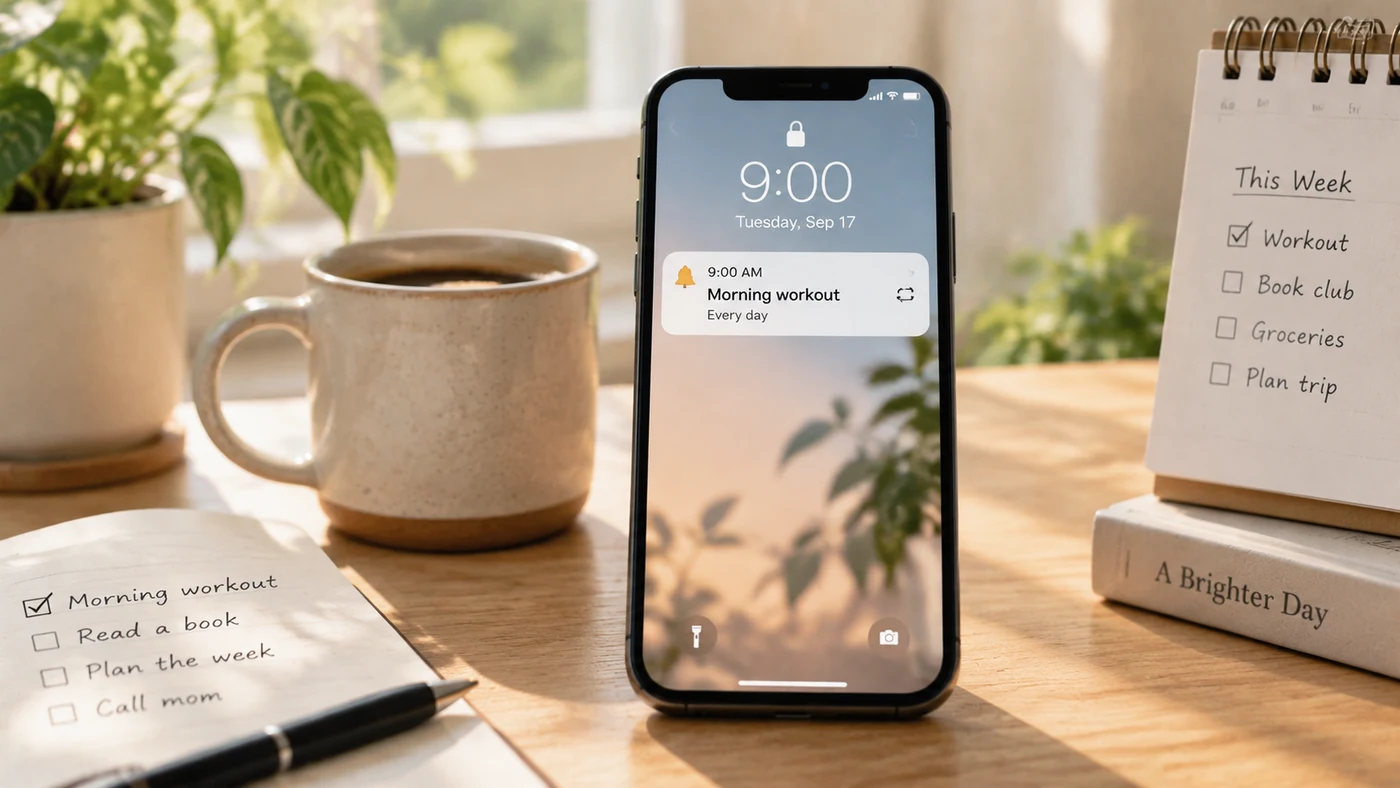
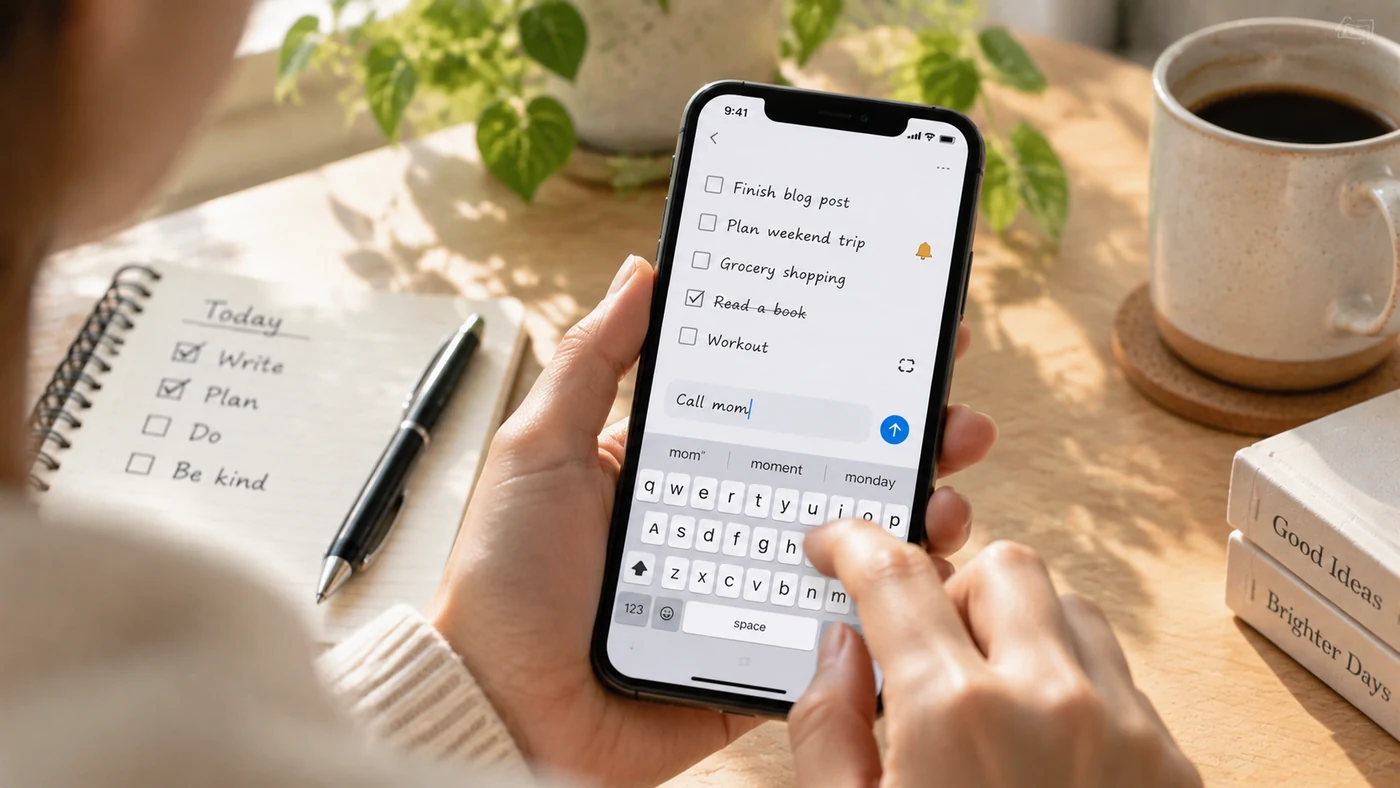
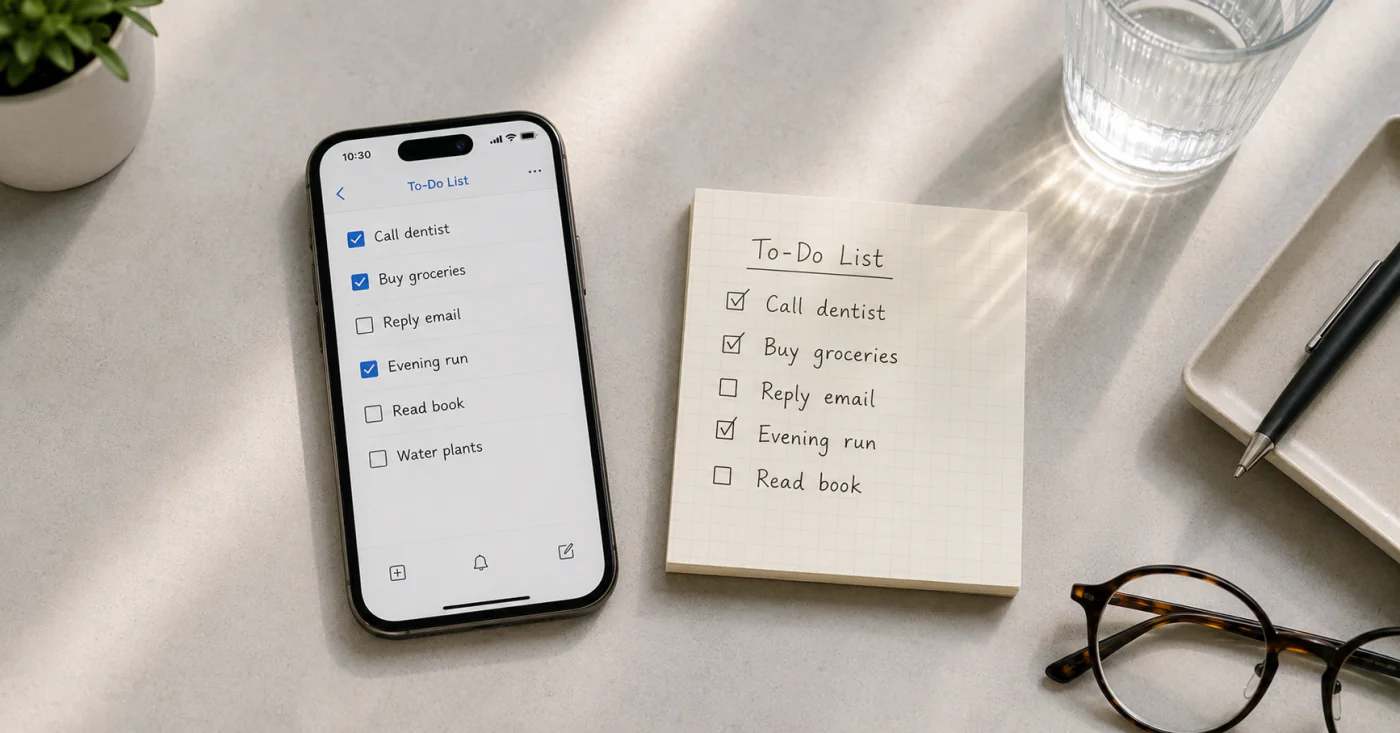
Use a separate checklist for each stage. A guide to making a checklist and setting daily reminders can keep deadlines visible. In EasyNotes, a single note can hold tasks and a time-sensitive item can have a recurring reminder.
Frequently Asked Questions
What needs to be done nine months before a wedding?
By this point, the date, venue, budget, guest-count direction, and key vendors should be progressing or confirmed. It is also a practical time to settle the wedding party, attire timeline, and invitation approach.
What is the 30-minute rule for weddings?
It is a planning habit: add a meaningful buffer around major transitions rather than scheduling each moment back-to-back. The right amount depends on travel, venue layout, group size, and the day’s priorities.
Conclusion
Plan the choices that constrain everything else first, then use shorter lists for each phase. A clear timeline creates room for the personal details without losing the essential work.