Good bucket list ideas do not all require a flight, a large budget, or years of preparation. Start with experiences you would enjoy: one you can try this month, one you can share, and one worth planning toward. The ideas below are starting points. Adapt them, then give each a next step so your list stays useful.
Choose ideas you would want to do, not just display
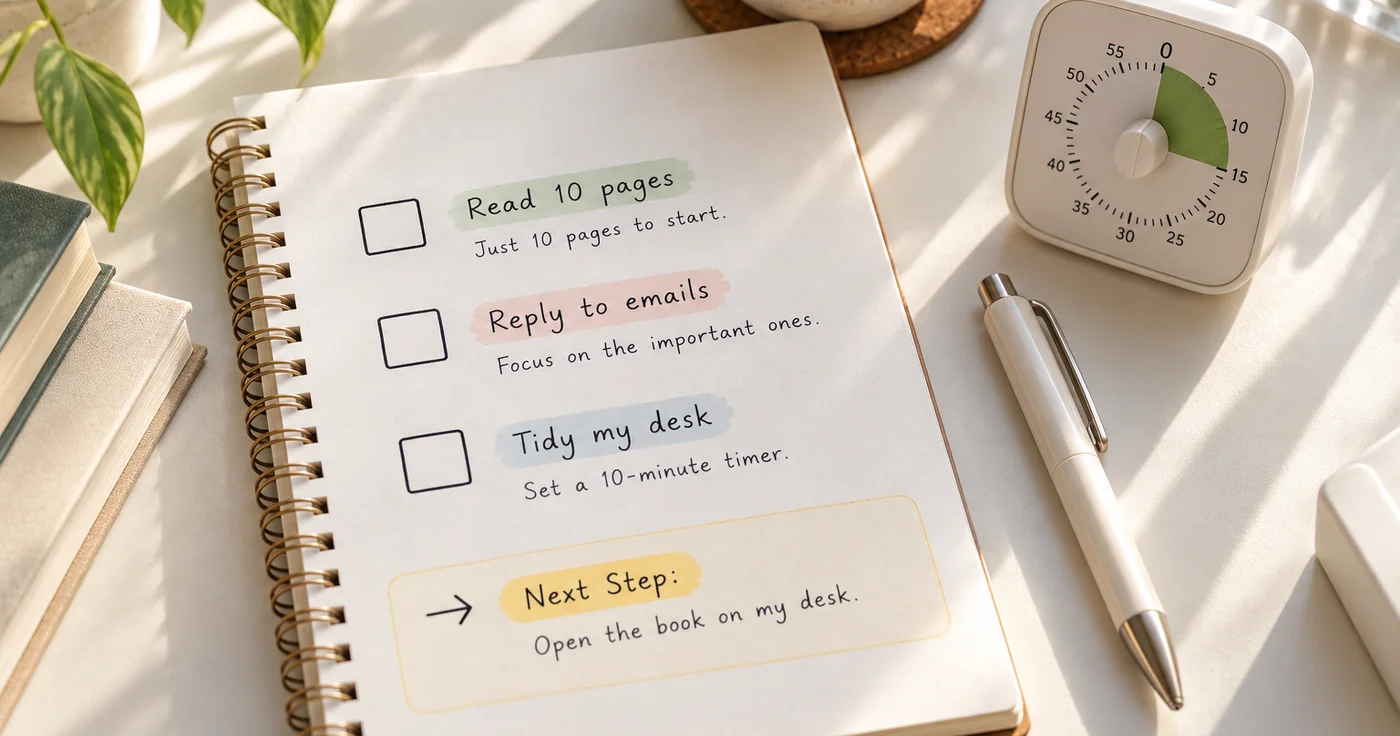
Before adding an item, ask three questions: Why does this appeal to me? What would count as doing it? What is the smallest realistic first step? “Travel more” is hard to act on; “take a train to a nearby town and spend an afternoon walking there” gives you something to plan.
Keep different kinds of experiences together. A modest local activity can matter as much as a long-range goal. You can also skip an idea without treating your list as a promise or a race.
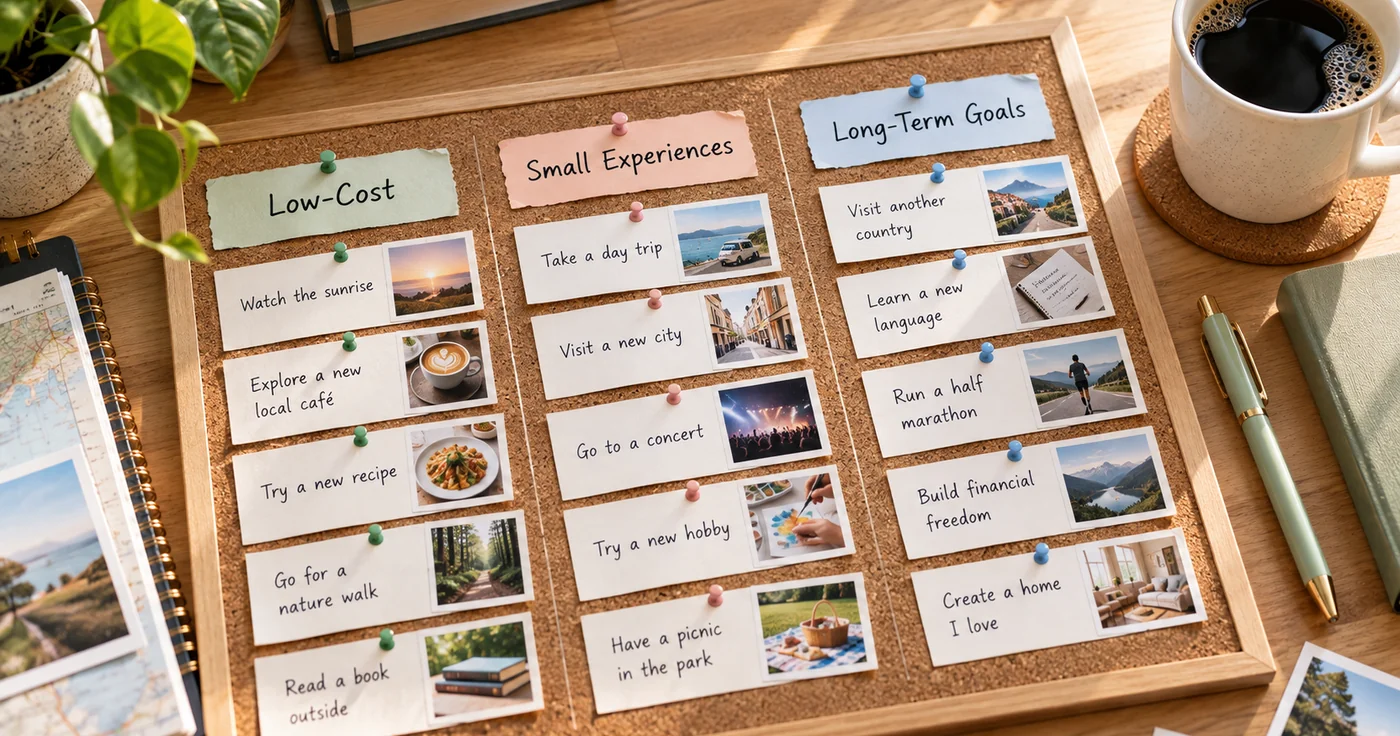
Low-cost ideas for an ordinary week
These are small enough to try before your list becomes another project:
- Watch a sunrise from a place you can reach without a special trip.
- Visit a library branch you have never entered and choose a book from an unfamiliar shelf.
- Make a meal based on a family story and record what you learned about it.
- Walk a familiar route at a different time of day and photograph three details you had missed.
- Attend a free local talk, reading, or community event on a subject you know little about.
- Spend an afternoon learning the names of five trees or buildings on your usual route.
- Write a letter to someone who shaped your life, whether or not you decide to send it.
- Make a one-day “visitor's guide” to your own neighborhood for a friend.
The point is not to collect eight checkmarks. Pick the idea that gives you a reason to pay attention this week.
Ideas to share with a partner or friend
Shared experiences work better when both people help choose the shape of the plan. For a couple, friend, or family member, try one of these:
- Each choose a place within a short journey, then exchange the plans for a surprise afternoon.
- Cook the same dish in two different ways and keep the version you both prefer.
- Create a tiny oral-history project: ask an older relative three questions and save their answers with permission.
- Take a class in something neither of you is expected to be good at.
- Revisit a place you knew at a different stage of life and compare what you remember.
- Make a shared list of ten questions you want to ask each other over several walks or meals.
Agree on cost, travel time, accessibility, and whether the experience should be quiet or social before you book anything. “Fun together” can mean different things to two people.
Longer goals worth breaking into stages
A bigger wish becomes easier to revisit when you can see progress before the final day:
- Read a book in a language you are learning. Begin with a short passage and decide what level feels enjoyable.
- Perform a song for a small audience. First choose the song, then practice a verse for someone you trust.
- Grow something you can cook with. Start with a suitable container and one plant, not an entire garden.
- Complete a creative collection, such as twelve sketches of places you know. Make the first one this week.
- Plan a multiday walk or ride that fits your ability and circumstances. Test a shorter route before committing to the larger one.
- Host a gathering built around a personal theme, such as family recipes or favorite stories. Invite a small group first.
These are examples, not a prescribed milestone ladder. Change the scale, timeline, or format until the goal belongs to you.
Experiences that need a little more planning
Some ideas depend on schedules, access, or savings. Keep them on the list, but separate the experience from the preparation:
- Visit a place connected to a book, film, or family story that matters to you.
- Take a beginner workshop from a local maker, artist, or instructor.
- Spend a night somewhere with a very different view from home.
- Attend a live performance in a genre you have never tried.
- Build a small personal exhibition of photographs, drawings, or objects and invite someone to see it.
If your list is mostly books or films to consume, keep those in a focused reading and movie list. A broader bucket list is about experiences and actions you want to make room for.
Turn your favorites into a list you can revisit
You do not need a complex tracker. For each favorite, write a few lines that make the idea easy to sort and revisit:
Experience:
Why I want it:
Time horizon / practical limit:
First step:
When to revisit:
For example, “try a pottery class” might become:
Experience: Make one small cup in a beginner pottery class.
Why I want it: I want to make something with my hands without aiming to be good at it.
Time horizon / practical limit: Plan ahead; choose a class within my budget and travel range.
First step: Compare two nearby beginner classes and choose a date that works.
When to revisit: Next Sunday, when I plan the coming week.
The time-horizon field helps separate “try soon” ideas from things that need money, access, or coordination. This makes room for both action and reflection. If an item no longer interests you, remove it without guilt. If it still matters but is not possible now, keep it for later and give it a sensible review date. You can use a simple weekly planning routine to bring one small step into an ordinary week rather than trying to schedule the whole list at once.
Conclusion
Choose bucket list ideas by meaning and feasibility, not by how impressive they sound. A balanced list can hold a free local outing, a shared afternoon, and a longer ambition without ranking one above another.
Select three ideas from this page, rewrite them in your own words, and give just one of them a first step for the coming week. Revisit the rest when your time, interests, or circumstances change.